
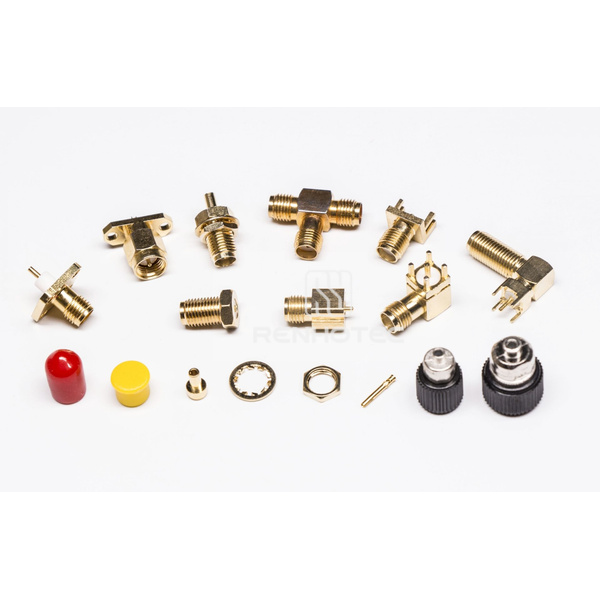
Copper alloys are widely used for connector terminals and contacts. Material selection balances electrical performance with the mechanical demands of forming, assembly and repeated use. No single copper alloy provides the best result for every requirement.
1. Electrical conductivity
Conductivity varies between alloys. Compare the electrical load and temperature limits with the properties of the selected material and the contact geometry; a copper-based material alone does not establish a finished connector current rating.
2. Bending and ductility
A contact may need to withstand forming operations or movement during assembly. The alloy, material condition and bend geometry should suit those operations without unacceptable cracking or permanent deformation.
3. Contact force and durability
Spring contacts need appropriate mechanical strength and stable contact force. Service life also depends on the contact design, plating, temperature and mating conditions. It cannot be guaranteed from the base material name alone.
4. Forming and manufacturing
Select the material condition to suit the terminal or contact manufacturing process. Check the required formed features, tolerances and assembly method alongside electrical and mechanical requirements.
5. Corrosion and surface protection
Environmental exposure and surface finish affect the contact interface. Copper alloys are not universally corrosion-proof. Select the alloy and plating for the intended environment and verify the finished contact against the relevant requirements.