
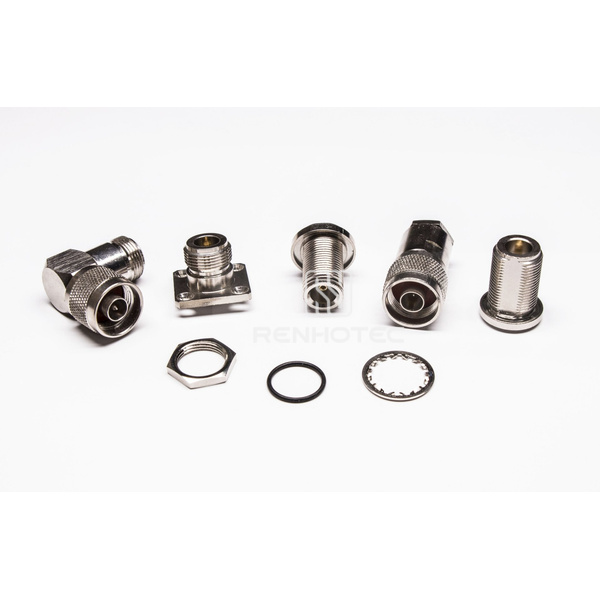
A connector must suit the circuit and the way the equipment is built, installed and serviced. These five requirements provide a practical starting point for comparing candidate parts.
1. Connection method
Decide how the conductors will be terminated and how the two connector halves will be secured. Solder, crimp, screw and board-mount connections involve different assembly and service requirements. Consider mating frequency, locking and access for installation.
2. Electrical requirements
Define voltage, current and signal requirements, then compare them with the ratings and conditions in the part specification. Current capacity depends on factors such as temperature, wire size and the number of loaded contacts. Check any applicable derating rather than treating the nominal current rating as valid for every installation.
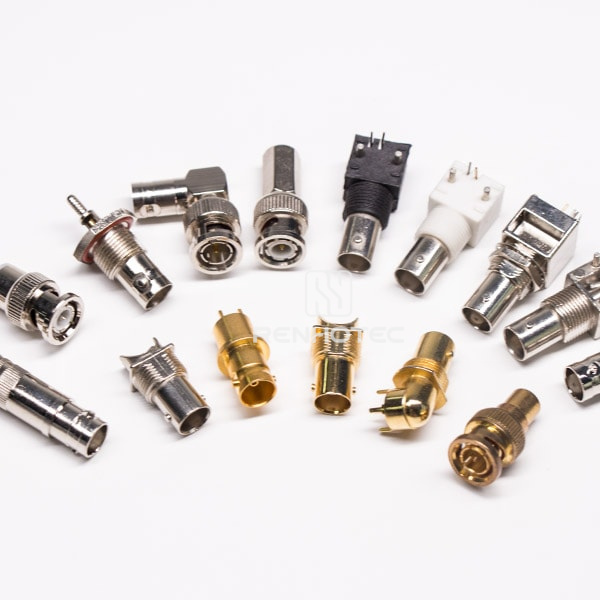
3. Space and structure
Check the connector envelope, footprint, panel opening, mating clearance and cable bend space. Include access to latches, screws and backshells so that the connection can be assembled and maintained in the available space.
4. Operating environment
Identify the actual temperature, humidity, vibration and chemical exposure. Select a part with documented performance for those conditions. A connector intended for a dry indoor enclosure should not be assumed suitable for outdoor or washdown service.
5. Sealing
Where dust or water exposure matters, check the specified protection level and the assembly state to which it applies. The mating half, panel seal, cable entry and any protective cap can all affect the result. Confirm the complete installed arrangement rather than relying on a connector family description.